Every Udemy Clone Site We've Seen (And What We Do About Them)
We track dozens of sites that steal Udemy courses and resell or give them away. Here are the ones we see most often, how they operate, and the multi-vector takedown playbook we use to shut them down.
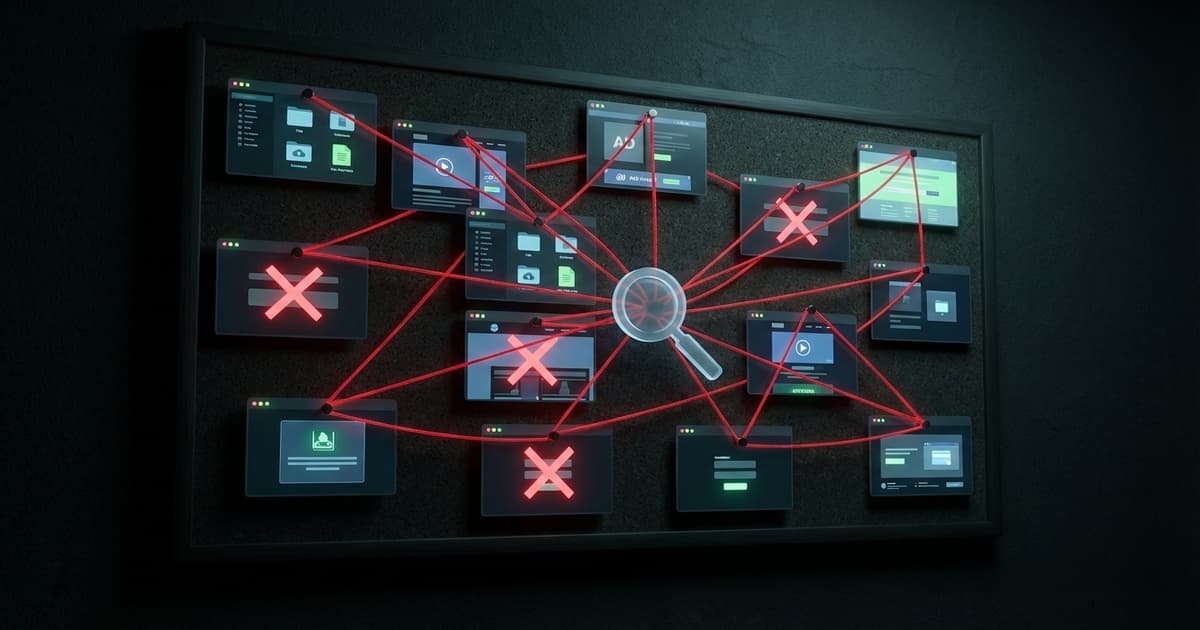
Udemy hosts 220,000+ courses serving 70 million+ students. That scale makes it the single largest target for course piracy on the internet. If you sell a course on Udemy — or on any platform, for that matter — the odds that your content has already been scraped, downloaded, and redistributed on a clone site are uncomfortably high.
We track these sites every day. Not in the abstract, but at the URL level — monitoring which domains pop up, which ones go dark, and which ones re-emerge under new TLDs the following week. This post is a frank rundown of what we see, how these operations work, and the exact playbook we use to take them down.
We're naming names. That's deliberate. Instructors deserve to know who's profiting from their work.
The Course Piracy Landscape in 2026
Course piracy isn't a niche problem — it's an industry. The EUIPO estimated in 2020 that online piracy costs EU industries alone an estimated €13.7 billion annually, and the education and e-learning sector has grown massively since then. Google has processed over 7 billion URL removal requests to date, with known piracy domains accounting for hundreds of thousands of flagged URLs each.
For Udemy instructors specifically, the pattern is predictable: any course that crosses roughly 10,000 enrollments is almost universally pirated. Instructors regularly report finding their content on 5 to 20+ piracy sites simultaneously. Popular courses from well-known instructors are pirated within hours of publishing new content.
The clone site ecosystem has matured. These aren't hobbyists sharing links in forums — they're ad-funded businesses with SEO strategies, premium membership tiers, and systematic content ingestion pipelines.
How Clone Sites Actually Work
Understanding the pipeline matters because it reveals where to intervene. Clone sites acquire course content through three primary methods:
- Direct download using scraping tools. Tools like
udemy-dlonce made it trivially easy to download entire courses with a single command. Udemy filed DMCA notices that got GitHub to remove the most popular forks, but the code still circulates. Newer variants work around Udemy's HLS encrypted streaming by capturing decrypted streams during playback. - Screen recording at scale.Operators purchase a course (or use a stolen account), then run automated screen-capture software to record every lecture. The quality is lower, but the output is good enough for piracy audiences who aren't paying anyway.
- Metadata scraping from public pages.Even without downloading the actual videos, clone sites scrape course titles, descriptions, instructor names, thumbnails, and curriculum outlines from Udemy's public-facing pages. This creates convincing listings that funnel visitors toward download links hosted elsewhere.
The result is a site that looks like a legitimate course marketplace — complete with course thumbnails, star ratings, and instructor bios — but every "Enroll" button leads to a pirated download.
The Sites We See Most Often
These are the domains that appear most frequently in our takedown operations. Some have been active for years. Others cycle through domains every few months. All of them profit from stolen course content.
- FreeCoursesite.com (and variants like .co, .net) — one of the most persistent operations. Scrapes Udemy aggressively and rotates to new domains when the current one gets enough DMCA heat.
- Courseclub.me — premium membership model, charges users for access to an organized library of stolen courses.
- Downloadly.ir — Iran-hosted, making enforcement significantly harder. Focuses on high-enrollment Udemy and Coursera courses.
- FreeCoursesDownload.com — long-running, ad-funded operation with tens of thousands of course listings.
- GetFreeCourses.co— similar model to FreeCoursesDownload, with aggressive SEO targeting "[course name] free download" keywords.
- CourseDrive.org — smaller but persistent, focuses on programming and IT courses from Udemy.
- Freetutorials.us / .eu — mirrors that share the same backend and swap TLDs when one gets seized or suspended.
- CourseHunters.net — Russian-language interface, massive catalog, caters to the CIS market. DMCA compliance is minimal.
- TutsNode.net — high-traffic site that indexes both direct downloads and torrent links.
- GigaCourse.com— premium membership ($5–15/month) for "unlimited access" to pirated courses.
- Desirecourse.net — ad-heavy, uses link shorteners to maximize revenue per download click.
This list is a snapshot. These sites change domains constantly — .com becomes .org becomes .me becomes .ir. The operators are the same; only the TLD changes. We track them by infrastructure fingerprint, not just domain name.
How They Make Money From Your Work
Clone sites are businesses. They exist because they're profitable. Here are the revenue streams we see:
- Ad networks— most use aggressive ad providers like PropellerAds and PopAds that mainstream publishers wouldn't touch. Pop-unders, interstitials, and auto-redirect ads generate revenue on every page view.
- Premium memberships — sites like GigaCourse and Courseclub charge $5–15 per monthfor "premium" download speeds and access to newer courses. They are literally charging a subscription fee for content they stole.
- Link shorteners with forced ads — download links route through services like adf.ly, which force users to view ads and wait before reaching the actual file. Each click generates fractions of a cent that add up at scale.
- Crypto donations— several sites prominently display Bitcoin and Ethereum wallet addresses, soliciting donations from users who want to "support" the operation.
The economics work because the content costs them nothing to acquire and the traffic is massive. A single popular Udemy course can drive thousands of visits per month to a clone site — all of it monetized through ads or memberships.
The Cloudflare Technique: Unmasking the Real Host
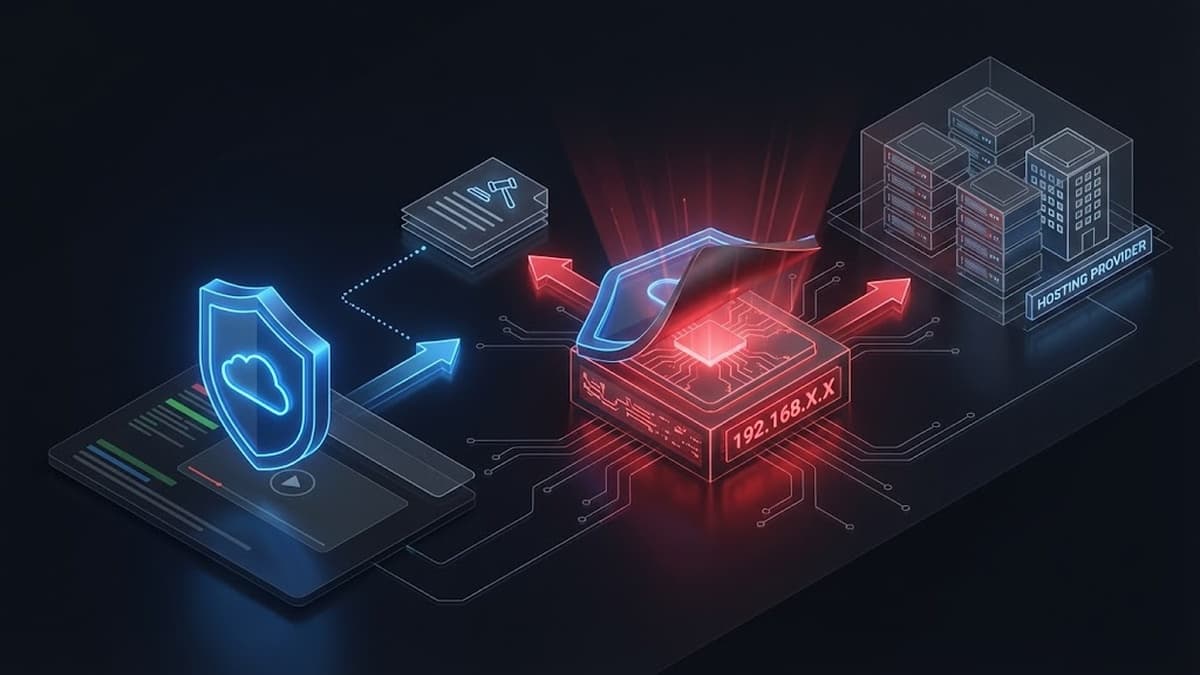
Nearly every clone site we encounter sits behind Cloudflare. This is deliberate — Cloudflare's reverse proxy hides the real hosting provider's IP address, making it impossible to determine where the actual server lives just by looking at DNS records.
But Cloudflare has an abuse reporting form at cloudflare.com/abuse/that most people don't fully understand. When you file a valid DMCA complaint through this form, Cloudflare does two things:
- Forwards your complaint to the site operator— which sometimes results in content removal, but usually doesn't.
- Reveals the origin server IP address in their response. This is the critical piece. Once you have the real IP, you can identify the actual hosting provider and send your DMCA notice directly to them.
This is a standard part of our takedown pipeline. Cloudflare abuse complaint → receive origin IP → identify host → DMCA the host directly. The hosting provider has a much stronger legal incentive to act than the site operator does.
Many of these sites use offshore hosting — Moldova, Romania, Russia — where DMCA notices carry less weight. When direct host takedowns fail, we shift to cutting off their traffic sources (search engine delisting) and revenue sources (ad network and payment processor complaints) instead.
What Udemy, Teachable, and Kajabi Actually Do
Let's be direct about what the platforms provide — and what they don't.
Udemyhas an internal anti-piracy team. They've filed GitHub DMCAs to take down udemy-dl forks and have implemented HLS encrypted streaming to make direct downloads harder. These are real measures. But when it comes to external piracy — courses being redistributed on third-party sites — Udemy largely leaves that to individual instructors to handle. Their Terms of Service make this clear: protecting your content outside the platform is your responsibility.
Teachable and Kajabi have even less anti-piracy infrastructure. High-ticket courses ($500–$2,000+) sold on these platforms are especially attractive piracy targets because the price differential is enormous — a $1,500 course given away for free generates massive traffic for clone sites.
The bottom line: no platform is going to chase down piracy on your behalf. Their incentive is to keep their own platform clean, not to police the rest of the internet.
How to Check If Your Course Is on a Clone Site
You can run these searches right now. It takes about ten minutes, and the results are usually sobering.
- Exact title search + piracy terms:Put your course title in quotes and add "free download", "torrent", or "mega link" on Google, Bing, and Yandex. Example:
"The Complete Python Bootcamp" free download - Site-specific searches: Use the
site:operator against known piracy domains. Example:site:freecoursesdownload.com "your course name" - Reverse image search your thumbnail: Upload your course thumbnail to Google Images or TinEye. Clone sites almost always reuse the original thumbnail, making this a reliable detection method.
- Search Telegram directly:Use Telegram's built-in search or third-party Telegram search engines. Course piracy groups on Telegram are often public and easily discoverable.
- Check DuckDuckGo and Yandex specifically: Piracy sites that have been delisted from Google often still rank on these engines. Most creators and even most anti-piracy services never check them — which is exactly why pirates index aggressively there.
The Multi-Vector Takedown Playbook
Filing a DMCA notice with Google and calling it done is the most common mistake we see. It removes one discovery path but leaves the actual pirated content untouched. Our playbook hits every layer simultaneously:
- Cloudflare abuse report — unmask the origin server IP (see above).
- DMCA to the hosting provider — now that we know who actually hosts the site, we send a properly formatted notice directly. Hosting providers in the US and EU generally comply within 48–72 hours.
- Search engine delisting — simultaneous DMCA filings with Google, Bing, Yandex, and DuckDuckGo. This cuts off the organic traffic that drives the site's ad revenue.
- File host takedowns — if the actual course files are hosted on Mega, MediaFire, Google Drive, or similar services, we file separate notices targeting those links. Removing the files breaks the download pipeline even if the listing page stays up.
- Domain registrar complaints — for sites that ignore all other takedown paths, we escalate to the domain registrar. This can result in the entire domain being suspended.
The goal isn't just to remove a listing — it's to make the operation unprofitable. When traffic drops, download links break, and hosting gets pulled, the economic model collapses.
Why One Takedown Is Never Enough
Here's the pattern we see with every active clone site operation:
- Site goes live on
example.comwith thousands of pirated courses. - Takedown pressure forces the hosting provider to act — site goes down.
- Within 24–72 hours, the same content reappears on
example.orgwith a new host, often in a different jurisdiction. - The cycle repeats:
.org→.me→.ir→ another new domain.
This is why one-and-done takedowns don't work. The operators expect to lose domains — it's a cost of business. What they don't expect is sustained, multi-vector pressure that follows them across domain changes and targets their infrastructure, traffic sources, and the payment processors funding them — simultaneously.
Persistent enforcement changes the economics. When every new domain gets hit with search delistings within days, when hosting providers start proactively refusing them, when their ad networks drop them — that's when operations actually shut down or move on to less protected targets.
Key Takeaways
- Udemy clone sites are organized, ad-funded businesses — not random file shares. They have SEO strategies, membership tiers, and systematic content pipelines.
- Popular courses (10,000+ enrollments) are almost universally pirated across 5–20+ sites simultaneously. If you sell a successful course, assume it's out there.
- Cloudflare hides the real host, but their abuse form reveals the origin IP — use it as the first step in every takedown.
- Udemy, Teachable, and Kajabi are not going to chase external piracy for you. Protecting your content outside the platform is your responsibility.
- Single-vector takedowns ( Google delisting only) leave the actual pirated files untouched. Effective enforcement hits the host, all major search engines, file storage, and revenue sources simultaneously.
- One takedown is never enough. Clone operators expect to lose domains. Sustained multi-vector pressure is what actually makes the operation unprofitable.